How an Investment Advisor Helps You Make Money Work for You
When I first read Rich Dad Poor Dad, one idea stayed with me long after I closed the book: if I only earn money and then watch it disappear into expenses, I can work harder without actually changing my financial direction.
The book made me look at money differently. Instead of asking only how much I earn, I started thinking about where my money goes, what keeps taking money out of my pocket, and what could eventually put money back in. That is also where the role of an investment advisor becomes easier to understand: good investment planning is not just about picking an investment. It starts with knowing your cash flow, your goals, your risk, and the amount you can realistically put to work.
Quick Summary & Key Takeaways:
- Cash Flow Management: Real wealth building begins with positive cash flow—ensuring income exceeds expenses before allocating capital to investments.
- Strategic Asset Allocation: An investment advisor helps align your portfolio with specific financial goals, risk tolerance, and time horizons.
- Behavioral Guidance: Professional advisors prevent emotional decision-making during market volatility, keeping long-term investment strategies on track.
Why Making Money Is Only the Beginning
Wealth accumulation is the strategic process of converting earned income into cash-flowing assets rather than expanding discretionary lifestyle spending. A higher paycheck can solve some problems, but it does not automatically create financial progress. If each increase in income is followed by higher rent, more subscriptions, a newer car, more dining out, and larger monthly commitments, the amount available for saving and investing may barely change.
That is the part of Rich Dad Poor Dad that I found useful as a starting point. Kiyosaki's framework asks the reader to think about the direction of cash flow and the difference between assets and liabilities. Rich Dad's own current educational material still describes the central idea in similar terms: an asset is something that puts money in your pocket, while a liability takes money out.
Source: Rich Dad — Assets vs. Liabilities: The Difference is Life Changing
I don't read that as a command to label every purchase as good or bad. I read it as a question: what is this decision doing to my monthly cash flow? That question is much more useful when you are trying to build a practical financial system.
The Lesson I Took From Rich Dad Poor Dad
One reason the book feels more like a conversation than a textbook is that Kiyosaki teaches through stories, contrasts, and repeated questions. The 'rich dad' and 'poor dad' characters represent different ways of thinking about work, education, assets, liabilities, and financial independence. The lesson that stayed with me was not simply 'invest more.' It was 'learn what your money is doing.'
The official Rich Dad material describes the book's lessons around financial literacy, assets and liabilities, working to learn, and building income-producing assets. Those ideas can be useful as a mental framework, but they still need to be translated into real household decisions: rent, groceries, debt payments, emergency savings, insurance, and the money that is actually left at the end of the month.
Source: Rich Dad — FAQs: Core Rich Dad Poor Dad Concepts
A useful question to keep
Before asking, “What should I invest in?” consider asking, “How much cash flow can I consistently put toward my future without putting my current finances under pressure?”
Where Expense Management Fits Into Investing
This is where the investment conversation meets practical budgeting. If you do not know what you spend each month, it is difficult to know how much you can safely save or invest. That does not mean every dollar has to be optimized. It means your investment plan should be based on real numbers rather than wishful numbers.
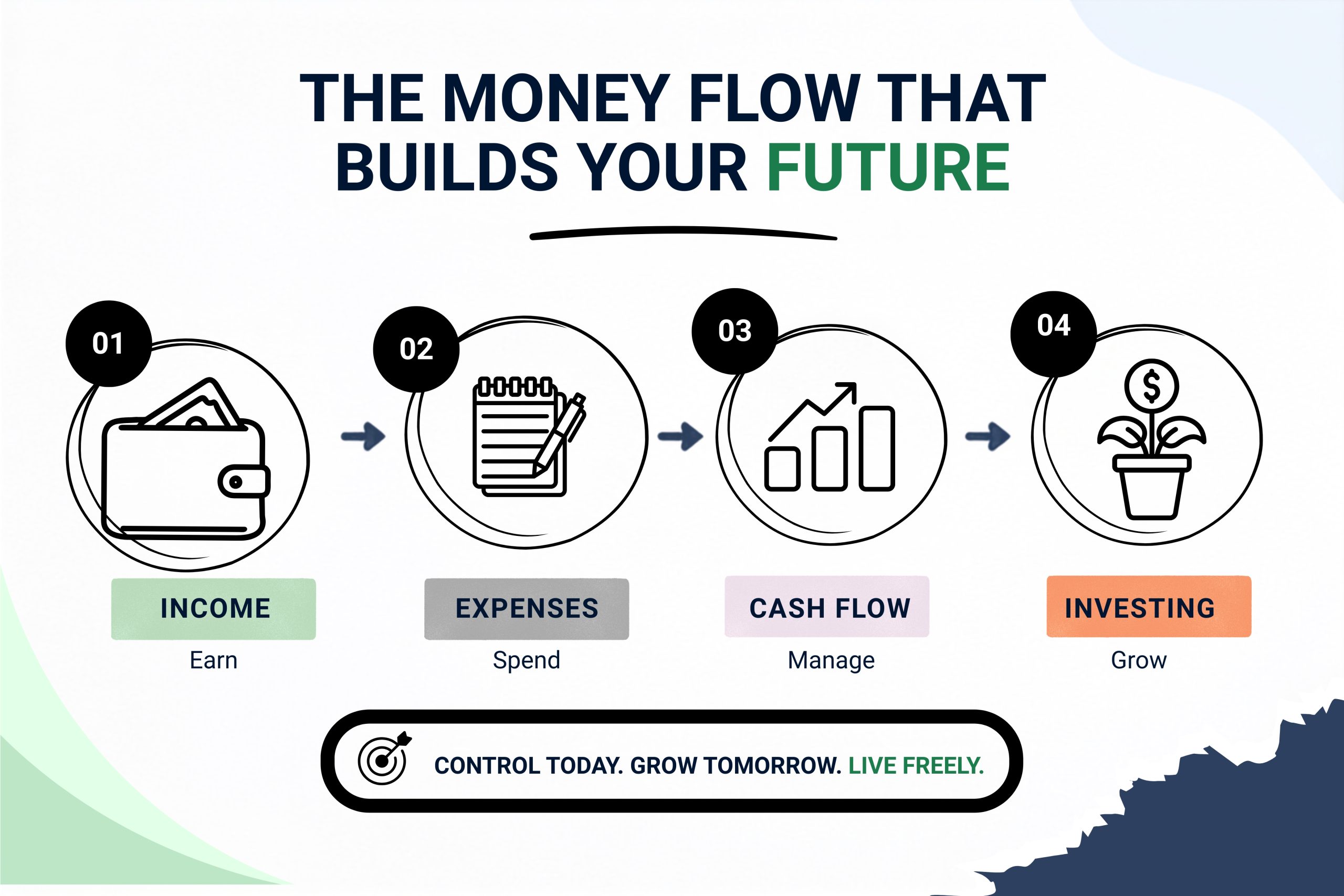
Look at the four parts of your monthly cash flow
- Income first: Start with take-home income that you can reasonably expect, not an unusually strong month.
- Essential expenses: Separate housing, food, utilities, transportation, insurance, and other costs that keep your household functioning.
- Flexible spending: Review dining, shopping, entertainment, subscriptions, and other categories where spending can vary.
- Future money: Identify what can go toward emergency savings, debt reduction, and long-term investing after the essentials are covered.
The goal is not to create a miserable budget. It is to make the trade-offs visible. A $40 subscription is not automatically a problem. But if ten small recurring charges add up to several hundred dollars a month, seeing the total can change the conversation.
My “Budget Calculator”: Turning the Idea Into Numbers
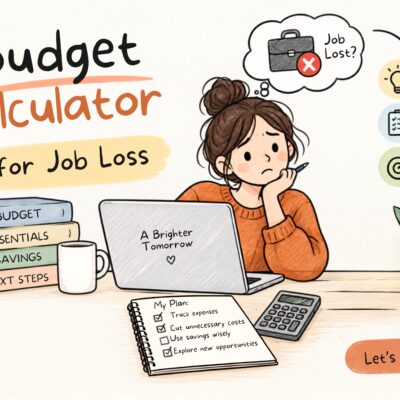
This is one reason I built my own budget calculator. I wanted budgeting to feel less like guessing and more like looking at the actual numbers in front of you. The tool is designed to help people organize income and expenses so they can see their monthly cash flow more clearly.
Think of the calculator as the bridge between the lesson in a book and a decision in real life. Rich Dad Poor Dad talks about understanding cash flow; a budget calculator gives you a practical way to map your own cash flow.
How to use the “Budget Calculator” before investing
- Enter realistic income: Use the amount you can actually plan around.
- Add recurring expenses: Include housing, utilities, insurance, debt payments, subscriptions, and other regular commitments.
- Add variable spending: Use recent spending patterns for groceries, dining, shopping, transportation, and miscellaneous costs.
- Review the remaining cash flow: This is not automatically your investment amount. It is the starting point for deciding how to divide money among priorities.
- Review it regularly: Your budget should change when your income, household, debt, or goals change.

So, What Does an “Investment Advisor” Actually Do?
This is where the title of the article becomes practical. An investment advisor is not simply a person who tells you which stock to buy. In the United States, Investor.gov describes an investment adviser as a person or firm that, for compensation, is in the business of providing investment advice about securities. Advisers may also provide ongoing advice, monitor investments against objectives, discuss asset allocation, and offer financial planning services.
Source: Investor.gov — Investment Advisers
For a beginner, that can mean something very different from 'give me a stock tip.' A professional may help you connect your goals, time horizon, risk tolerance, investment mix, and ongoing review process. That structure can be especially useful when your financial life has become complicated or when emotional decisions are making it hard to stay consistent.
Three Ways an “Investment Advisor” Can Add Value
- Build a plan around goals: Instead of starting with a product, you can start with what the money is for, when you need it, and how much risk you can reasonably tolerate.
- Think about asset allocation: Investor.gov explains that asset allocation means dividing investments among categories such as stocks, bonds, and cash, with the appropriate mix depending on factors including risk tolerance and time horizon.
- Create a review process: An adviser may help monitor whether an investment plan still fits your objectives rather than treating one investment decision as permanent.
Source: Investor.gov — Introduction to Investing
There is also a practical point people sometimes overlook: advice has a cost. Investor.gov notes that advisers can charge different types of fees, including asset-based and subscription-based fees. Before working with anyone, you might consider understanding exactly what services you receive, how the adviser is paid, and what other account or investment costs may apply.
Source: Investor.gov — Subscription-based Advisory Fees
Investment Ideas: Think in Categories, Not Promises
Reading about investing can make it tempting to search for the one investment that will change everything. I think a better starting point is to understand the broad categories and then ask whether each one fits your goals and risk.
- Diversified stock funds: These can provide exposure to many companies instead of relying on a single stock, but market values can rise and fall.
- Bonds and bond funds: These may play a role in portfolios where income, diversification, or a different risk profile matters.
- Retirement accounts: Tax treatment and withdrawal rules can make retirement-focused accounts an important part of long-term planning.
- Real estate: Property can generate rental income, but it also brings costs, vacancies, maintenance, financing, and local-market risks.
- Business ownership: A business can create income and value, but it can also require significant time, capital, and operational risk.
- Cash and short-term savings: Not every dollar needs to be invested. Money needed for near-term expenses may have a different job.
Diversification is another place where the book's broad wealth-building message needs real-world context. Investor.gov explains that diversification can reduce the impact of a poor result in one investment, but it cannot guarantee that a portfolio will avoid losses when markets decline.
Source: Investor.gov — Diversify Your Investments
The Investment Mistakes I Would Watch Closely
The most useful financial lessons are often the ones that prevent avoidable mistakes. The following are not predictions; they are areas where a plan can break down.
Mistake 1: Investing before understanding cash flow
If your monthly expenses are unpredictable and you have no clear view of your remaining cash, an aggressive investment plan may be difficult to maintain. A budget calculator can help you see the starting point before you decide what percentage belongs in investments.
Mistake 2: Chasing quick returns
The promise of high returns with little risk is a classic warning sign. The SEC's Investor.gov materials encourage investors to be cautious about opportunities that promise high returns with little or no risk.
Source: Investor.gov — Tips for 2026
Mistake 3: Treating a book's lesson as a complete investment plan
Rich Dad Poor Dad can change the questions you ask, but it cannot know your income, debts, time horizon, taxes, risk tolerance, or family responsibilities. I see the book as a mindset and financial literacy starting point not a personalized portfolio.
Mistake 4: Ignoring diversification and fees
A portfolio can look impressive while still carrying unnecessary concentration or costs. Investor.gov emphasizes both diversification and understanding investment costs, which is why these details deserve attention before you commit money.
How I Would Turn the Book's Lesson Into a Weekly Habit
The biggest change from reading a financial book comes when the idea survives beyond the final page. Instead of thinking about wealth only when markets are moving, you can build a small routine around your own cash flow.
- Review your spending: Look at the previous week and identify one category that changed more than expected.
- Update your budget: Use your budget calculator to keep your monthly picture current.
- Protect your priorities: Make sure essential expenses and important savings goals are not being crowded out by flexible spending.
- Review investments calmly: If you already invest, compare your portfolio with your goals rather than reacting to every market headline.
- Learn one concept: Spend a little time understanding fees, diversification, asset allocation, or another investing concept instead of searching for a hot tip.
What Making Money Work for You Really Means
After reading Rich Dad Poor Dad, the phrase 'make money work for you' can sound like a promise that investing will make life easy. I don't think that is the most useful interpretation.
To me, it means becoming more deliberate about the direction of your money. Income comes in. Expenses take their share. Some money protects you from short-term surprises. Some can be directed toward long-term goals. Over time, investments may grow, produce income, or both but none of that removes risk.
An investment advisor can be part of that process, especially when you want professional help connecting your goals with an investment strategy. But even the best adviser cannot replace understanding your own cash flow. That first step still belongs to you.
Your Simple Starting Plan
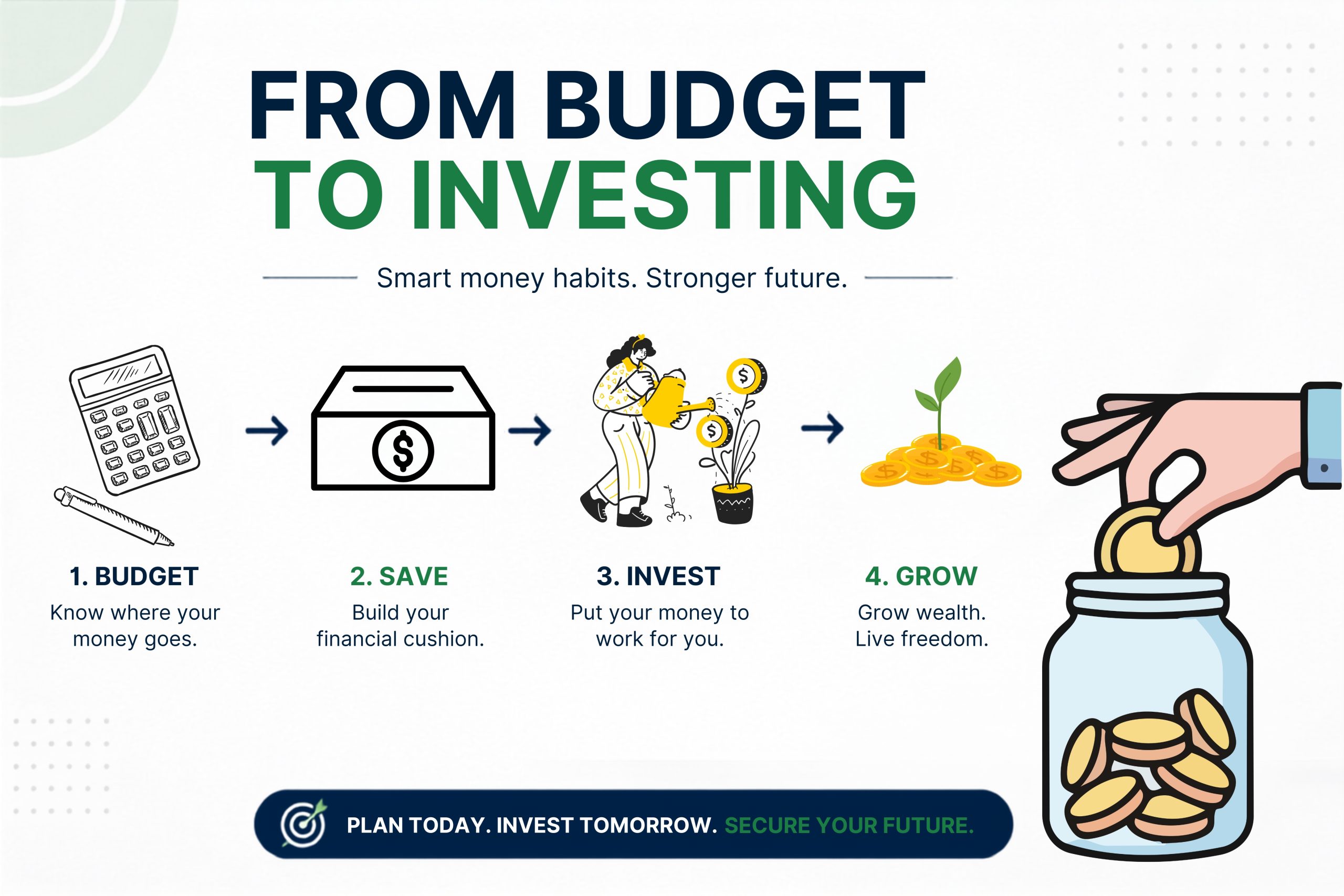
If you want to put the ideas from this article into practice, you might start small. You do not need to redesign your entire financial life in one weekend.
- Read with a purpose: Use Rich Dad Poor Dad to question how you think about income, expenses, assets, liabilities, and cash flow.
- Measure your current position: Use my budget calculator to map income and spending with real numbers.
- Find sustainable cash flow: Look for one or two expenses you can adjust without making your budget unrealistic.
- Set your priorities: Consider emergency savings, debt, short-term needs, and long-term investing in the context of your own situation.
- Get professional help when useful: If your finances are becoming complex, consider speaking with a qualified investment professional and checking their registration, background, services, and fees.
Source: Investor.gov — Asset Allocation and Financial Professionals
Frequently Asked Questions
What does an investment advisor do?
An investment advisor provides investment advice for compensation and may help with areas such as buying, selling, holding investments, asset allocation, investment monitoring, and financial planning. The exact services and fees depend on the adviser and agreement.
Is an investment advisor useful for beginners?
A beginner may benefit from professional guidance when investment choices, risk, goals, or account options feel difficult to evaluate. An adviser should not replace basic financial understanding, and you might consider checking credentials, services, conflicts, and fees before working with one.
How can a budget calculator help with investing?
A budget calculator can organize income and expenses so you can see your available monthly cash flow. That number can help you think more realistically about how much money may be available for savings or long term investing.
Should I manage expenses before investing?
Understanding expenses can make an investment plan more sustainable because you know what your household needs each month. Depending on your circumstances, you may also need to consider emergency savings and high-interest debt before increasing long-term investments.
What are the main Rich Dad Poor Dad lessons about money?
The book emphasizes financial literacy, the distinction between assets and liabilities, cash flow, and the idea of building income-producing assets. These are useful concepts to study, but the book is not a substitute for personalized financial, tax, or investment advice.
What are some ways to make money work for you?
People may use a combination of savings, diversified investments, retirement accounts, real estate, or business ownership depending on their goals and risk tolerance. There is no single strategy that fits every household.
How much should I invest each month?
There is no universal monthly amount because income, expenses, debt, emergency savings, goals, and risk tolerance differ. A budget can help you identify a sustainable starting amount rather than choosing a number that puts pressure on essential expenses.
How should I choose an investment advisor?
Consider checking the professional's registration and background, understanding how they are compensated, asking what services they provide, and reviewing the costs associated with advice and investments. Investor.gov provides tools and information for researching investment professionals.
Sources
- Investor.gov — Investment Advisers
- Investor.gov — Introduction to Investing
- Investor.gov — Diversify Your Investments
- Investor.gov — Subscription-based Advisory Fees
- Investor.gov — Tips for 2026
- Rich Dad — Assets vs. Liabilities
- Rich Dad — FAQs: Core Rich Dad Poor Dad Concepts
Common Questions
Q: When should I hire an investment advisor?
A: You should consider hiring an advisor when you have established positive cash flow, manageable debt, and seek professional asset allocation or long-term wealth strategy.
Q: How does an investment advisor differ from a financial planner?
A: An investment advisor focuses primarily on portfolio construction and asset management, whereas a financial planner addresses holistic financial health including budgeting, insurance, and estate planning.
Q: Can I manage my investments without an advisor?
A: Yes, self-directed investing with index funds is common, but an advisor adds value through portfolio rebalancing, tax-loss harvesting, and objective risk mitigation.