Can a “High Yield Savings Account” Turn Your 20% Savings Into Wealth?
A high yield savings account can make cash more productive, but long-term wealth usually requires a clear handoff from saving for safety to investing for growth.
By Abdullah Riaz | The Penny Flow | Published August 26, 2026 | Updated August 26, 2026 | 10 min read
What's in this article
- What is happening with high-yield savings accounts right now?
- The financial matrix: when saving becomes the destination
- Why an HYSA can protect money without building substantial long-term wealth
- The mousetrap is not the bank account. It is stopping at the savings stage
- The wealthy mindset: saving is for safety, investing is for wealth
- What The Simple Path to Wealth teaches about the next step
- What Warren Buffett gets right about saving before spending
- How to move from a 20% savings habit to long-term wealth building
- Use the Penny Flow Budget Calculator to see what your 20% actually means
- What to keep in the HYSA and what can move toward investing
- The action: build the handoff, not the fantasy
- Key takeaways
- Frequently asked questions
- Sources
- Financial disclaimer
What is happening with “high yield savings accounts” right now?
Wall Street JournalFDIC national ratesA high-yield savings account can turn 20% savings into a larger cash balance, but it is unlikely to be the entire long-term wealth-building strategy. As of August 26, 2026, some high yield savings accounts are offering as much as 4.50% APY, although the rate you receive depends on the account and its terms and can change over time. That is far above the FDIC national average savings rate of 0.38% reported earlier in 2026. (Wall Street Journal and FDIC).
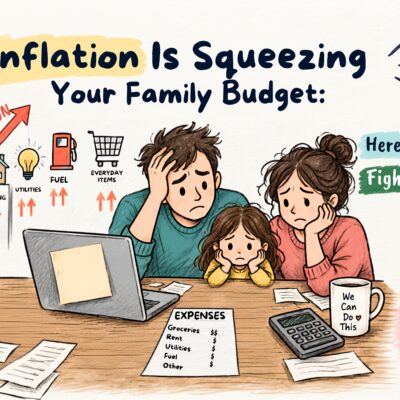
The bigger context is inflation. The U.S. Bureau of Labor Statistics reported that consumer prices rose 3.4% over the 12 months ending July 2026. A 4.50% savings rate can therefore look impressive while leaving only a modest margin before taxes and changes in the account rate are considered. (BLS July 2026 CPI).
That does not make an HYSA a bad place for your money. It tells you what the account is good at: protecting accessible cash while paying interest. The question becomes different when the money is meant for a 10, 20, or 30 year goal.
The “financial matrix”, when saving becomes the destination.
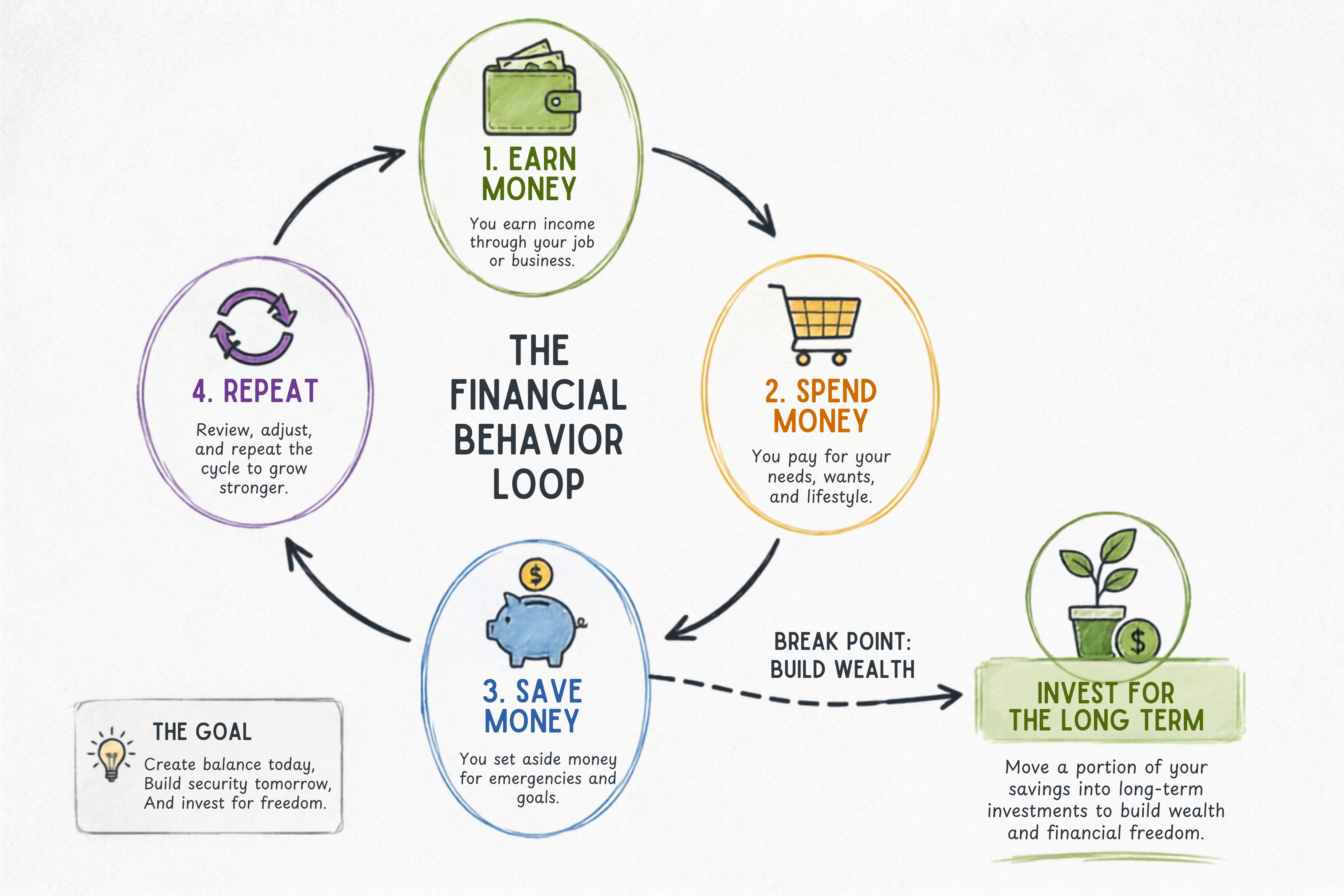
Use the phrase financial matrix as a story telling concept, not a conspiracy claim. Banks do not need a secret plan to keep a saver in place. A more ordinary pattern can do it: you earn money, move it to savings, watch the balance rise, feel safer, and repeat the process without ever deciding what long term money is supposed to do next.
That loop feels responsible because it is responsible in one important sense. You are building a cash reserve. You are reducing the chance that an unexpected bill becomes expensive debt. The problem begins when the same habit is used for every goal, including goals that are decades away.
The financial matrix, in this sense, is a behavior loop. Saving solves the problem of access and safety. It does not automatically solve the problem of long term growth.
Why an HYSA can protect money without building substantial long term wealth?
An HYSA has a useful job, but its return is constrained by the nature of cash. The rate is usually variable, the balance is designed to stay stable, and the account is built around liquidity rather than accepting market risk in pursuit of higher long term growth.
Inflation is one reason the difference matters. With July 2026 inflation at 3.4%, a hypothetical 4.50% APY leaves about 1.1 percentage points before taxes. The real return is not simply 4.50% minus 3.40%, because the exact purchasing power result depends on compounding and timing, but the calculation shows how quickly the gap can narrow.
Taxes can narrow it again. The IRS says interest that you receive or that is credited to an account and available for withdrawal is generally taxable income, subject to specific exceptions. A saver in a 24% federal marginal bracket would keep roughly $76 of every $100 of taxable interest before any state or local tax, using a simplified illustration. (IRS).
The result is a useful distinction: an account can have a positive APY while producing only a small real, after tax increase in purchasing power. That can be perfectly acceptable for emergency savings. It is less compelling as the only engine for long term wealth building.
The “mousetrap” is not the bank account. It is stopping at the savings stage
The mousetrap metaphor works for the same reason the financial matrix does. Nothing about it requires a hidden scheme. The trap is comfortable because the balance is visible, the value does not swing every afternoon, and the next step can wait until tomorrow.
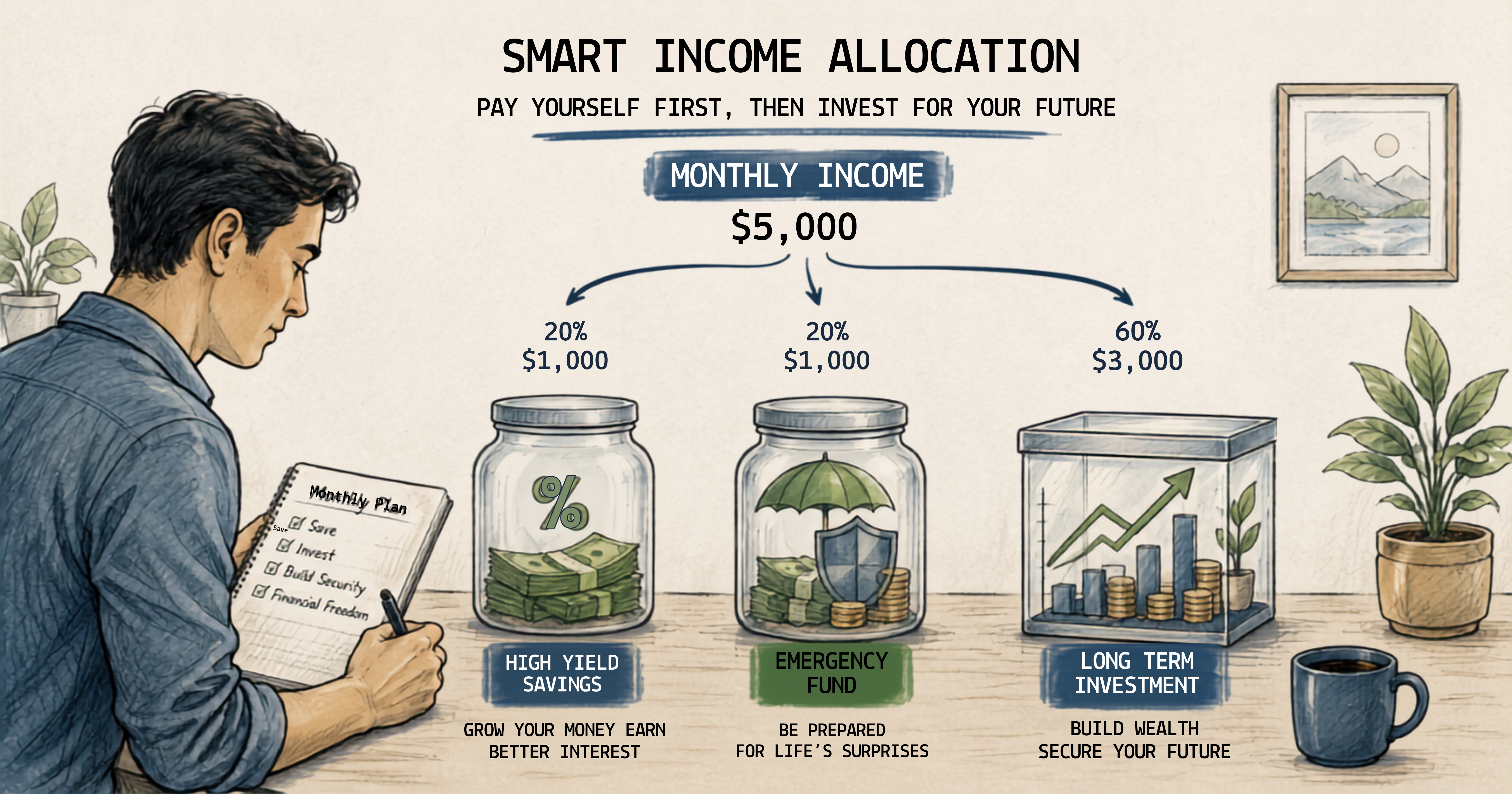
Imagine an illustrative household with $5,000 of monthly take home pay. Saving 20% means setting aside $1,000 each month. Over 20 years, that is $240,000 of contributions before any return. At a fixed 4.5% annual rate, a simplified monthly compounding model produces about $388,000 before tax. At a hypothetical fixed 7% annual return, the same $1,000 monthly contribution would grow to about $521,000 before taxes and fees.
Those are not forecasts. They are illustrations of compounding under fixed assumptions, and real savings rates and investment returns do not stay fixed. The point is the size of the opportunity cost that can emerge over long periods when a higher-growth strategy is available to money that does not need to remain in cash.
SEC Investor.gov makes the same basic distinction in plainer language: savings are commonly used for emergencies and short-term goals, while investing gives money a greater opportunity for growth over longer periods. (Investor.gov).
The wealthy mindset: saving is for safety, investing is for wealth
A wealthy mindset is not about taking every dollar out of cash. It is about giving different dollars different jobs.
Emergency money needs stability. Money for a near-term purchase needs access. Money for a long-term goal can have a different role. It can be invested in suitable assets that match the time horizon and the amount of risk a household can accept.
That is the useful lesson in saving vs. investing. Saving is a tool for stability. Investing is a tool for long term growth, with the trade-off that investments can lose value and are not insured in the same way a qualifying bank deposit is.
The SEC also recommends getting control of monthly expenses, keeping an emergency fund, and regularly investing for long-term goals. Its current educational guidance describes regular investing plus time as a route to building wealth. (Investor.gov).
What “The Simple Path to Wealth” teaches about the next step
JL Collins's approach in The Simple Path to Wealth is deliberately simple: save a portion of income, avoid unnecessary complexity, and use low-cost broad index funds for long-term investing. In his own explanation of the framework, Collins describes broad, low-cost index funds as the core of the approach and stresses that market volatility is part of the price investors pay for potential long-term returns. (JL Collins).
The important lesson for a beginner is not a command to buy one specific fund. It is the sequence. First create financial stability. Then use long-term money for long-term work. The exact account, asset mix, and level of investment risk depend on the person, the goal, the time horizon, and the account available.
high-yield savings account and an investment account can coexist. The first can protect the foundation. The second can be part of the growth engine.
What Warren Buffett gets right about saving before spending
Warren Buffett is often quoted as saying, “Do not save what is left after spending, but spend what is left after saving.” The quotation is widely attributed to Buffett and has been published by multiple educational and financial sources. (University of Wisconsin Madison Extension).
The useful idea is simple: decide what gets saved before the month gets busy. That is especially relevant to a 20% target because the habit is easier to maintain when the savings decision is made deliberately rather than left to whatever remains at the end of the month.
For long term wealth building, the next refinement is equally important. The saved money does not all need the same destination. A portion can build the emergency fund. A portion can support near-term goals. Money that does not need to stay liquid can then be considered for long-term investing.
From saving to long term “wealth”
The goal is not to escape your HYSA. The goal is to know which dollars need safety and which dollars have enough time to pursue growth.
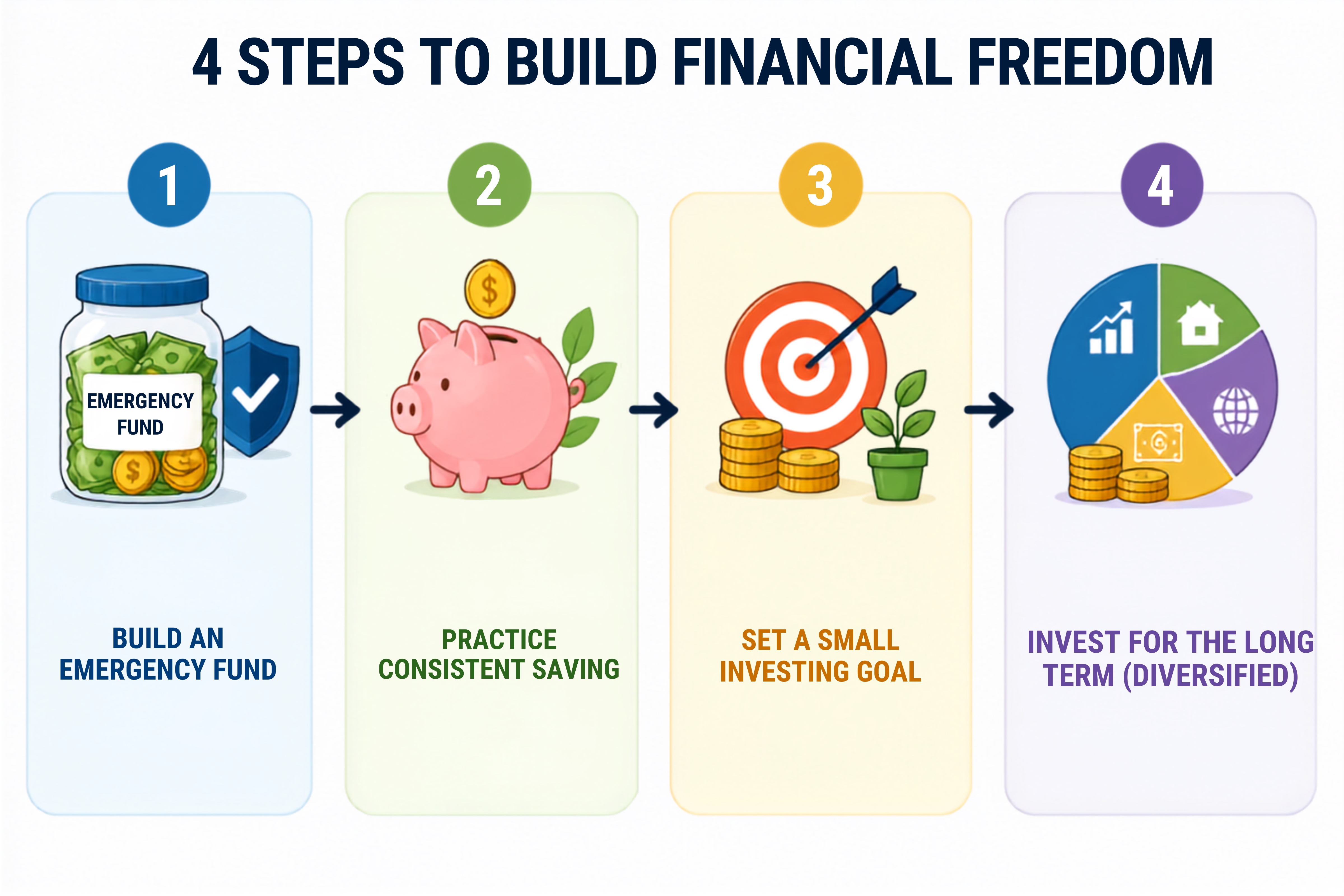
A four step handoff
1. Build an emergency fund that fits your household. Keep that reserve liquid and size it around essential expenses, income stability, and other resources.
2. Keep saving consistently. A 20% target can be a useful framework, but the percentage does not decide the right destination for every dollar.
3. Set a small investing goal for money you can leave invested over the long term. Start with an amount you can repeat without relying on market predictions.
4. Use diversified investments that fit your time horizon and risk tolerance. Markets can fall, so long-term money needs enough time to absorb volatility.
What to skip: moving emergency cash into volatile investments simply because an HYSA rate looks less exciting. Emergency money has a safety job.
Use the Penny Flow Budget Calculator to make the 20% number real
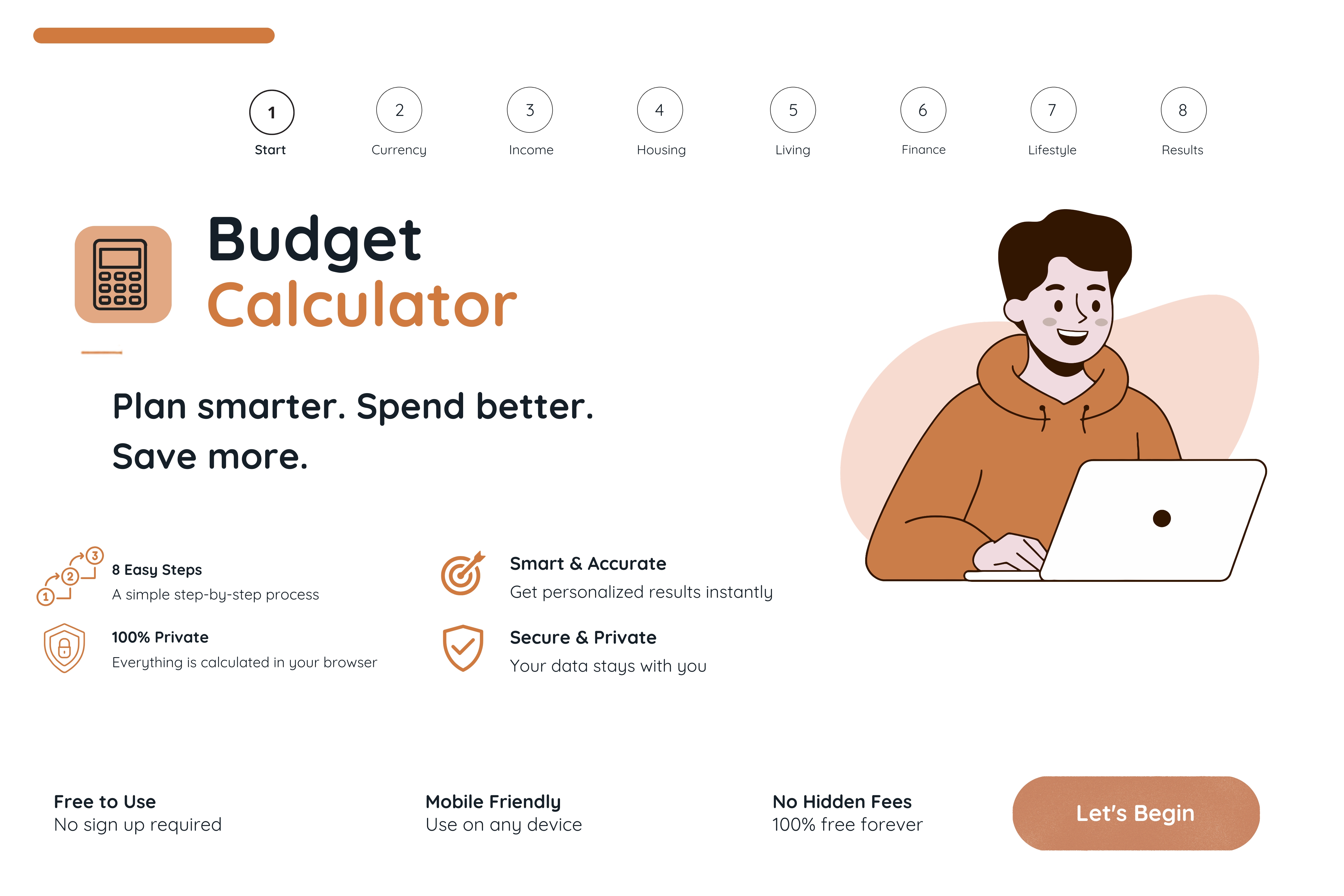
Start with your actual take-home income and monthly expenses. The Penny Flow Budget Calculator lets you enter income, housing, living costs, financial commitments, lifestyle spending, and your savings or investing amount. It turns a percentage into a cash flow number you can review.
For example, someone taking home $5,000 a month may target $1,000 under a 20% framework. That does not automatically make $1,000 an investment contribution. The budget still has to account for emergency savings, debt, near-term goals, and essential expenses.
Keep the HYSA for money that needs safety
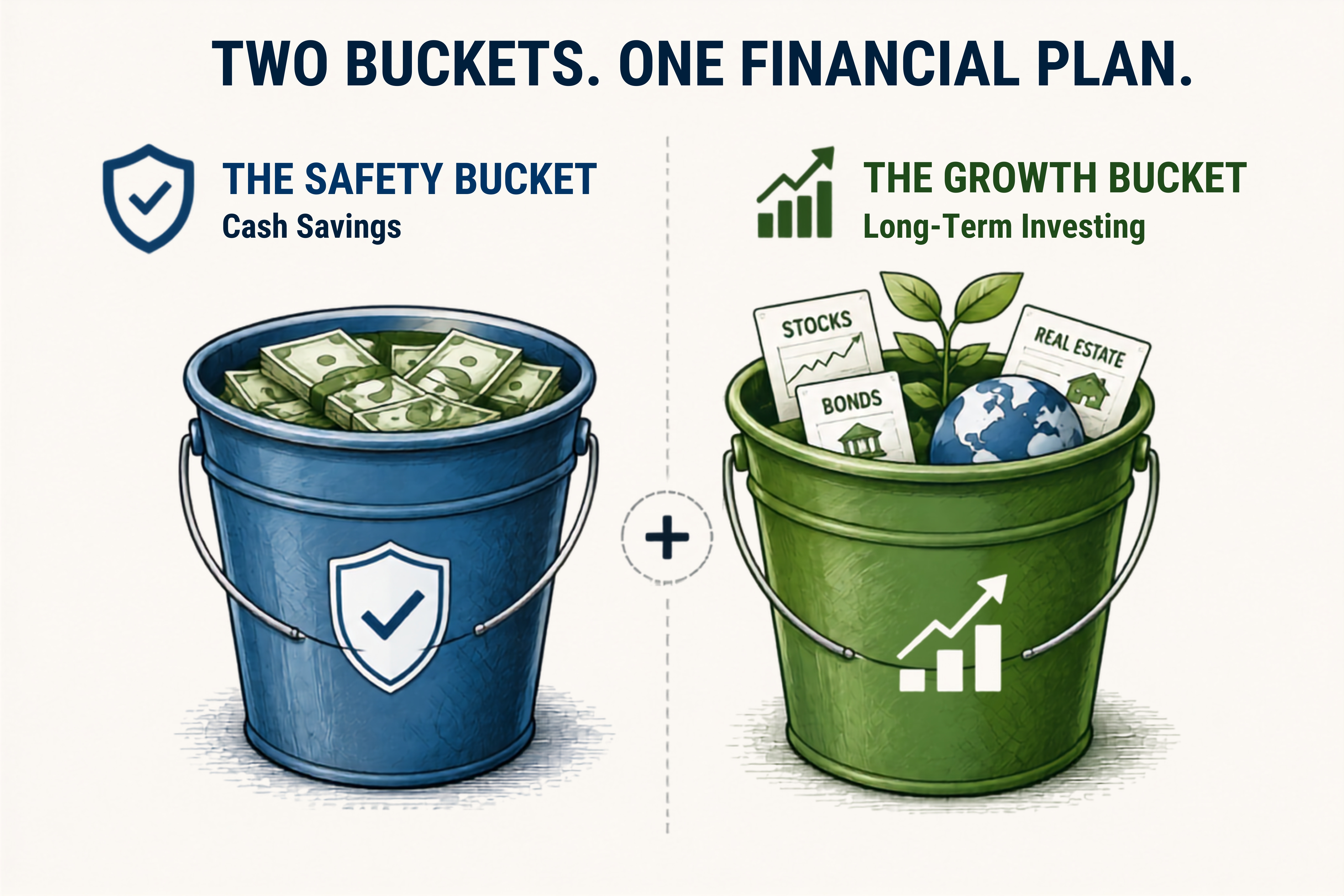
Emergency savings and near term money belong in the safety bucket. Investor.gov notes that savings can cover emergencies and short-term needs, while investing is designed to provide more opportunity for growth over longer periods. For additional scenario planning, see the Budget Calculator for Job Loss guide on The Penny Flow.
Money that does not need to stay liquid for years can be evaluated differently. A long time horizon gives a diversified investment approach more room to work, although it never removes market risk.
Key takeaways
As of August 26, 2026, some HYSAs are offering up to 4.50% APY, but rates vary and can change.
U.S. consumer prices rose 3.4% over the 12 months ending July 2026, so the gap between a savings rate and inflation can be narrow before tax.
The IRS generally treats bank interest available for withdrawal as taxable income.
Saving and investing solve different problems: cash protects short term needs, while long-term investing can provide more opportunity for growth with more risk.
The Penny Flow Budget Calculator can turn a 20% savings target into a real monthly cash-flow plan.
Frequently asked questions
Can a high yield savings account build long term wealth?
Answer: Yes, an HYSA can grow cash through interest, but it is usually better suited to emergency reserves and shorter term goals than to being the only long-term wealth-building tool. Inflation, taxes, changing rates, and the lower growth potential of cash can limit the amount of wealth created over long periods.
Is saving 20% of income enough to build wealth?
A 20% savings rate can be a strong starting framework, but the percentage alone does not determine long-term wealth. The destination of the savings matters too. Emergency reserves, debt payments, near term goals, and long-term investments can all compete for the same dollars, so the right mix depends on the household.
What is the difference between saving and investing?
Saving generally focuses on safety, access, and short term needs. Investing accepts more uncertainty and the possibility of losses in exchange for a greater opportunity for long term growth. A household can use both at the same time, with different money assigned to different goals.
What does The Simple Path to Wealth say about investing?
The Simple Path to Wealth presents a simple long term investing philosophy centered on saving, avoiding unnecessary complexity, and using low cost broad index funds. The approach is educational rather than personalized advice, and the level of investment risk that fits one person can be inappropriate for another.
Is an HYSA safer than investing?
A qualifying bank deposit can provide more stable account value and may be covered by FDIC insurance within applicable limits. Investments can rise and fall in value and can lose principal. That difference is why emergency cash and long term investments generally serve different roles in a financial plan.
Where does the Budget Calculator fit?
Use the Penny Flow Budget Calculator before making the saving to investing handoff. It helps organize take home income, housing, living costs, debt and insurance, lifestyle spending, and the amount you save or invest. It is a planning tool, not personalized financial, investment, tax, or legal advice.
Sources
- Wall Street Journal, Today’s High-Yield Savings Rates for August 26, 2026
- U.S. Bureau of Labor Statistics, Consumer Price Index Summary, July 2026
- Internal Revenue Service, Publication 550, Investment Income and Expenses
- SEC Investor.gov, Save for a Rainy Day
- SEC Investor.gov, Introduction to Investing
- SEC Investor.gov, Build Wealth Over Time Through Saving and Investing
- JL Collins, How I Failed My Daughter and a Simple Path to Wealth
- JL Collins, 32 Things to Know about Following The Simple Path to Wealth
- University of Wisconsin Madison Extension, Saving worksheets and Warren Buffett quotation
- The Penny Flow Budget Calculator
This article is for general educational and informational purposes only. It is not personalized financial, investment, tax, or legal advice. Savings rates, inflation, tax rules, and investment returns can change. Investments can lose value, including principal. Consider your own circumstances and, when appropriate, consult a qualified professional before making significant financial decisions.
About the author: Abdullah Riaz writes practical personal finance content for The Penny Flow, with a focus on everyday money decisions, budgeting, saving, and investing.
Share Article
Other Articles